
Which Exterior Door Material Is Right for You? A Comprehensive Guide Based on Your Region

Choosing the right exterior door is an important decision for any homeowner, as it impacts both the look and functionality of your home. The material of your door plays a key role in durability, energy efficiency, style, and curb appeal. Selecting a door from AAA Distributor that aligns with your home’s design while withstanding your region’s climate ensures it remains both beautiful and functional for years to come. From resisting harsh weather to enhancing insulation and security, the right material can make a noticeable difference. This guide explores the benefits of various door materials and offers practical advice to help you make an informed choice that meets your aesthetic and practical needs.
Get Free 3D Design→Why Choosing the Right Exterior Door Material Matters
Choosing the right exterior door material is essential because it directly impacts your home’s security, comfort, and visual appeal. A well-chosen door from AAA Distributor not only protects your family and belongings but also improves insulation, helping maintain consistent indoor temperatures and reducing energy costs. The material you select affects maintenance requirements, durability, and the overall value it adds to your home.
When considering exterior doors, keep the following in mind:
- Security: Strong, durable materials provide better protection against break-ins and extreme weather.
- Insulation: Certain materials help keep your home energy-efficient by minimizing heat loss in winter and heat gain in summer.
- Aesthetics: The right material can enhance your home’s curb appeal and complement its architectural style.
- Maintenance and Longevity: Materials vary in upkeep requirements and durability, so choosing one suited to your climate ensures lasting performance
- Regional Suitability: A door that can withstand local weather conditions, such as humidity, heat, cold, or coastal exposure, will maintain its appearance and functionality over time.
By carefully selecting the appropriate material, you can enjoy a door that not only looks beautiful but also delivers security, energy efficiency, and long-term value.
 CONTACT US TODAY→
Fiberglass Exterior Doors and Their Benefits
AAA Distributor’s fiberglass exterior doors are designed to deliver long-lasting performance, visual appeal, and low maintenance, making them a reliable choice for modern homes. These doors offer the aesthetic flexibility of traditional designs while providing excellent durability and energy efficiency. For homeowners seeking a dependable exterior door solution, AAA Distributor’s fiberglass exterior doors combine style, strength, and practicality.
Why Choose AAA Distributor’s Fiberglass Exterior Doors
AAA Distributor’s fiberglass exterior doors are built to resist common issues such as cracking, warping, swelling, and rot. Their resilient construction allows them to perform well in a wide range of climates while maintaining their appearance over time.
Key Benefits:
- Energy-efficient construction that helps maintain consistent indoor temperatures
- Excellent insulation that reduces heat transfer and air leakage
- Low maintenance, requiring only occasional cleaning
- Durable surfaces that resist dents, moisture, and everyday wear
- Ability to replicate the look of natural wood without ongoing upkeep
Performance in Different Environments
AAA Distributor’s fiberglass exterior doors are especially well suited for homes exposed to variable weather conditions. Their resistance to moisture and temperature fluctuations makes them a dependable choice for coastal, humid, or changing climates. Unlike materials that may expand or degrade over time, fiberglass retains its shape and structural integrity, ensuring reliable performance year after year.
Style and Design Flexibility
AAA Distributor offers a variety of fiberglass exterior door styles and configurations, allowing homeowners to match their entryway to their home’s aesthetic without sacrificing performance.
Decorative Glass Fiberglass Exterior Doors:
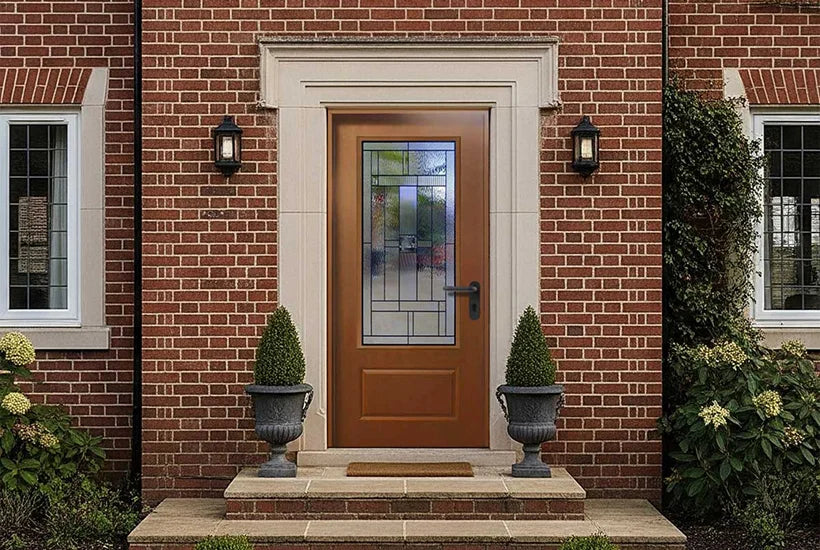
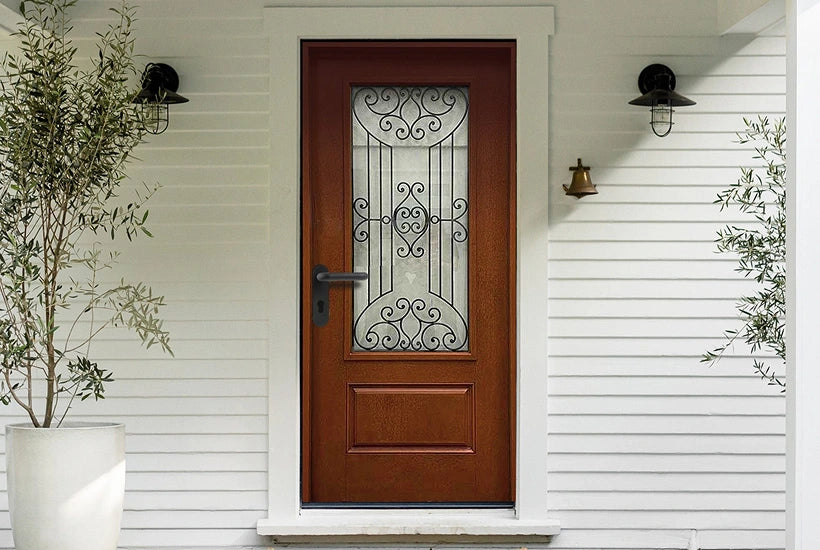
- Hometown 36 in. x 80 in. 3/4 Lite Decorative Glass Stained Dark Walnut Prehung Fiberglass Exterior Door with Brickmold
- Hometown 36 in. x 80 in. 3/4 Lite Decorative Glass Stained Light Brown Prehung Fiberglass Exterior Door with Brickmold
- Hometown 36 in. x 80 in. 3/4 Lite Decorative Glass Painted Black Prehung Fiberglass Exterior Door with Brickmold
- Jupiter 36 in. x 80 in. 3/4 Lite Decorative Glass Stained Light Brown Prehung Fiberglass Exterior Door with Brickmold
Privacy-Focused Glass Fiberglass Exterior Doors:
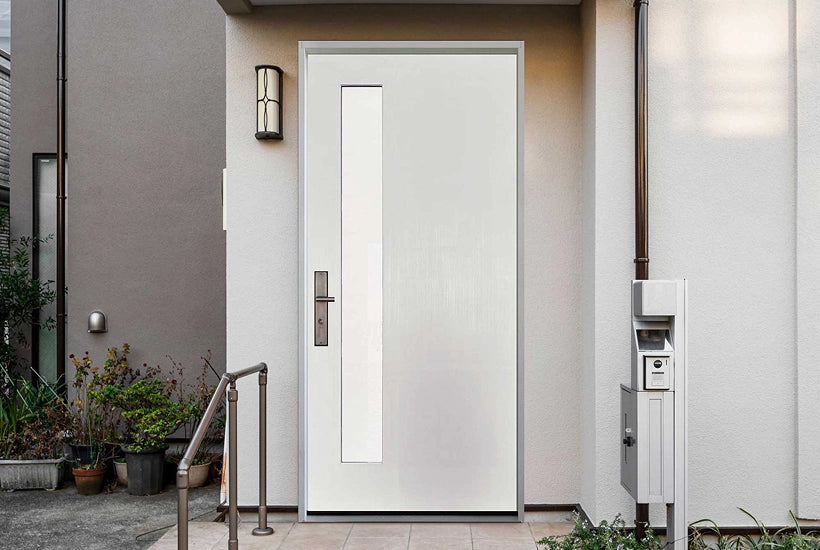
- 36 in. x 80 in. 1-Lite Offsite Acid Etch Painted Grey Prehung Fiberglass Exterior Door with Brickmold
- 36 in. x 80 in. 1-Lite Offsite Acid Etch Painted Black Prehung Fiberglass Exterior Door with Brickmold
- 36 in. x 80 in. 1-Lite Offsite Acid Etch Unfinished White Prehung Fiberglass Exterior Door with Brickmold
Shaker-Style Fiberglass Exterior Doors:
- 36 in. x 80 in. 6-Lite Shaker Acid Etch Painted Black Prehung Fiberglass Exterior Door
- 36 in. x 80 in. 6-Lite Shaker Acid Etch Painted Gray Prehung Fiberglass Exterior Door with Brickmold
- 36 in. x 80 in. 6-Lite Shaker Acid Etch Unfinished White Prehung Fiberglass Exterior Door
- 36 in. x 80 in. 5-Lite Shaker Acid Etch Painted Black Prehung Fiberglass Exterior Door with Brickmold
- 36 in. x 80 in. 5-Lite Shaker Acid Etch Unfinished White Prehung Fiberglass Exterior Door with Brickmold
These fiberglass exterior doors are available in standard residential sizes with multiple glass and finish options, making it easy to find a door that fits both design preferences and performance needs.
A Practical Long-Term Investment
Choosing AAA Distributor’s fiberglass exterior doors supports long-term value by reducing maintenance demands and improving energy efficiency. Their durability and consistent performance help protect your home while enhancing curb appeal, making AAA Distributor’s fiberglass exterior doors a smart and dependable choice for residential entryways.
 CONTACT US TODAY→
How Regional Climate Influences Door Material Choice
Selecting the right exterior door material requires careful consideration of the local climate. Weather conditions such as heat, humidity, cold, snow, and coastal exposure can affect a door’s durability, appearance, and performance. Choosing a material suited to your region ensures your door remains functional, energy-efficient, and visually appealing for years to come.
Hot and Humid Climates
In regions with high heat and humidity, it is important to choose materials that resist moisture and warping. Doors that absorb water or expand in heat can quickly deteriorate.
Best materials:
- Fiberglass
- Composite
- Treated wood
Why it works:
- Fiberglass and composite doors resist moisture and maintain their shape
- Treated wood provides durability with proper maintenance
- These materials reduce the risk of swelling, cracking, or warping
Cold and Snowy Regions
In colder climates, exterior doors must provide insulation and withstand freezing temperatures without cracking or losing shape. Energy efficiency is particularly important to maintain warmth and reduce heating costs.
Best materials:
- Steel
- Fiberglass
- Insulated wood
Why it works:
- Steel doors with insulated cores retain heat and provide security
- Fiberglass doors resist cracking and are less affected by temperature changes
- Insulated wood doors offer natural warmth while preventing drafts
Coastal Areas
Homes near the ocean face unique challenges, including salt air, high humidity, and frequent storms. Exterior doors need to resist corrosion and moisture damage while maintaining appearance.
Best materials:
- Fiberglass
- Aluminum
- Treated or painted wood
Why it works:
- Fiberglass and aluminum resist rust and corrosion
- Treated or painted wood provides protection when maintained regularly
- These materials ensure longevity even in harsh coastal conditions
Dry and Arid Climates
In dry or desert-like regions, extreme heat and intense sun can cause doors to crack, warp, or fade. Selecting materials that withstand these conditions is essential for maintaining performance and appearance.
Best materials:
- Fiberglass
- Steel
- Solid wood
Why it works:
- Fiberglass and steel resist warping and cracking under heat
- Solid wood doors perform well with proper finishes and regular care
- These materials maintain their structure and aesthetics in arid climates
 CONTACT US TODAY→
Matching Door Materials to Your Home Style
The material you choose for your exterior door plays a significant role in your home’s curb appeal and overall aesthetic. The right door can enhance architectural features, create a welcoming entrance, and tie together the design of your home. Selecting a material that complements your home style ensures that the door looks cohesive and adds lasting visual value.
When considering door materials for different home styles, the following examples can help guide your choice:
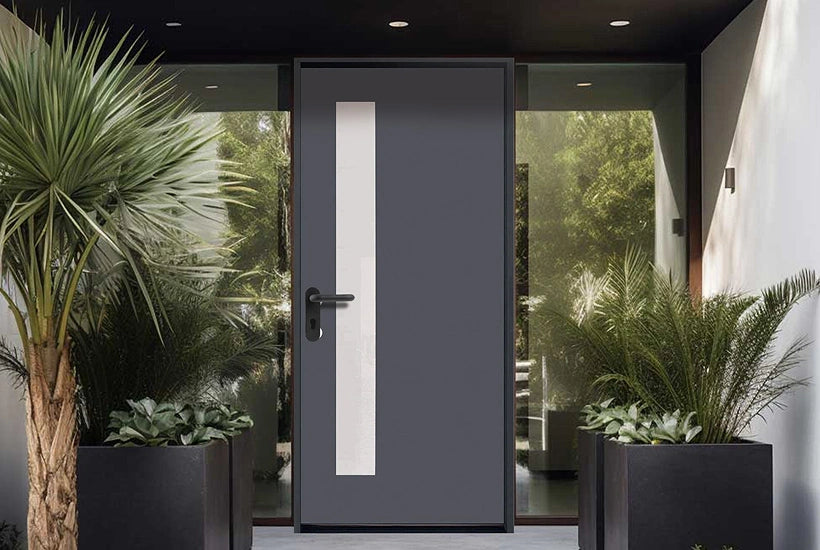
- Modern homes: Steel or aluminum doors offer sleek lines, minimalistic design, and a contemporary look that matches modern architecture.
- Traditional homes: Wood or composite doors provide classic charm, rich textures, and customizable finishes that suit traditional and colonial styles.
- Coastal homes: Fiberglass or treated wood doors resist moisture and maintain their appearance in humid, salty environments while complementing relaxed coastal aesthetics.
By matching your door material to your home style, you not only enhance the exterior appearance but also ensure that the door performs well in your specific climate and lifestyle.
Energy Efficiency and Insulation Considerations
The material of your exterior door has a direct impact on your home’s energy efficiency. Doors that provide proper insulation help maintain consistent indoor temperatures, reduce heating and cooling costs, and increase overall comfort. Choosing a door with strong thermal performance is especially important in regions with extreme temperatures or fluctuating climates.
Different door materials offer unique energy-saving benefits:
- Fiberglass: Provides excellent insulation and maintains its shape with minimal expansion or contraction, making it ideal for both hot and cold climates.
- Steel: Often features insulated cores that enhance energy efficiency while offering strength and security.
- Wood: Offers natural insulation and high thermal mass, helping to regulate indoor temperatures while adding a warm, classic aesthetic.
Selecting a door material with strong insulation properties ensures your home stays comfortable year-round while reducing energy consumption and costs.
Maintenance and Longevity Tips by Material
Proper maintenance is key to keeping your exterior door looking its best and performing well for many years. Different materials require specific care to ensure durability, prevent damage, and maintain their aesthetic appeal. Following the right maintenance routine can extend the life of your door and preserve its value.
Tips for maintaining common exterior door materials include:
- Wood: Stain or paint every few years to protect the surface from moisture and sun exposure. Regularly check for cracks or warping and address them promptly.
- Fiberglass: Wash occasionally with mild soap and water to remove dirt and debris. Inspect seals and weatherstripping to ensure they remain intact and effective.
- Steel: Check for dents, scratches, and signs of rust. Touch up paint as needed to prevent corrosion and maintain appearance.
- Composite: Requires minimal maintenance, but periodic cleaning helps keep the door looking fresh and ensures long-lasting performance.
By following these material-specific maintenance tips, you can enjoy a door that continues to enhance your home’s beauty, energy efficiency, and security for years to come.
 CONTACT US TODAY→
Cost Considerations for Each Door Material
When selecting an exterior door, it is important to consider both the upfront cost and the long-term value of the investment. While some materials may have a higher initial price, their durability, energy efficiency, and low maintenance can make them more cost-effective over time. Understanding the typical price ranges and benefits of each material helps homeowners make a decision that balances budget with performance and style.
Here is a quick comparison of common door materials and their cost considerations:
- Wood: Moderate to high upfront cost, but offers long-term aesthetic value and classic appeal.
- Fiberglass: Moderate cost, durable, energy-efficient, and requires minimal maintenance over time.
- Steel: Low to moderate cost, very durable, secure, and energy-efficient with insulated cores.
- Composite: Moderate cost, combines the benefits of multiple materials for durability, appearance, and low maintenance.
- Aluminum: Moderate cost, lightweight, and corrosion-resistant, ideal for modern or contemporary home designs.
By considering both price and long-term benefits, homeowners can choose a door material that enhances their home’s style, performance, and value while fitting within their budget.
How to Choose the Right Exterior Door for Your Region
Selecting the right exterior door for your home involves more than just picking a style you like. It requires careful consideration of your local climate, energy needs, and the door’s long-term durability. AAA Distributor offers a wide range of premium doors to help you find the perfect combination of beauty, functionality, and lasting performance.
Step-by-step guide:
- Assess your local climate and weather conditions: Consider factors such as humidity, heat, cold, snow, and coastal exposure to determine which materials will withstand your environment.
- Determine your style preferences and home architecture: Match the door material and design to your home’s aesthetic for a cohesive and attractive look.
- Consider energy efficiency and insulation needs: Choose doors that minimize heat loss in winter and heat gain in summer to reduce energy costs.
- Evaluate long-term maintenance and durability: Select materials that fit your lifestyle and available upkeep time while maintaining their appearance over the years.
- Compare material costs and benefits: Balance upfront costs with long-term value, durability, and energy savings to make a practical investment.
Investing in the right exterior door enhances both the beauty and functionality of your home. By selecting a door from AAA Distributor suited to your region and style, you ensure a lasting upgrade that protects your home, improves energy efficiency, and adds enduring value.
Additional Features to Enhance Your Exterior Door
In addition to selecting the right material, incorporating additional features can significantly enhance both the performance and style of your exterior door. AAA Distributor offers options that allow you to customize your door to meet your aesthetic preferences, improve energy efficiency, and increase security.
Optional upgrades to consider:
- Decorative glass inserts or sidelights: Add natural light, visual interest, and a unique touch to your entrance while maintaining privacy with frosted or textured glass.
- Smart locks and security features: Improve safety and convenience with modern locking systems, keyless entry, and remote monitoring options.
- Weather stripping and energy-efficient cores: Enhance insulation, reduce drafts, and lower heating and cooling costs by improving the door’s energy performance.
- Custom finishes and colors: Personalize your door to match your home’s exterior design and make a statement with bold or subtle color choices.
Adding these features ensures your exterior door not only complements your home’s style but also performs at its best, providing lasting value, security, and energy efficiency.
Choosing the right exterior door material for your region is essential for durability, energy efficiency, style, and curb appeal. A well-selected door from AAA Distributor can withstand local climate conditions, enhance your home’s appearance, and provide long-lasting protection and comfort. Considering material performance, maintenance, and energy-saving benefits ensures a smart investment. Explore the wide selection of exterior doors at AAA Distributor or schedule a consultation to find the perfect door that combines beauty, functionality, and lasting quality.
Get Free 3D Design→

